By Roland Munera — Medellín local, lifelong fútbol fan, and your guide to experiencing this city the way it was meant to be.
As a born-and-raised Medellín native and a card-carrying verdolaga, my loyalty to Atlético Nacional has been tested, celebrated, and sometimes humiliated — often in the same ninety minutes. And that, right there, is the magic of El Clásico Paisa.
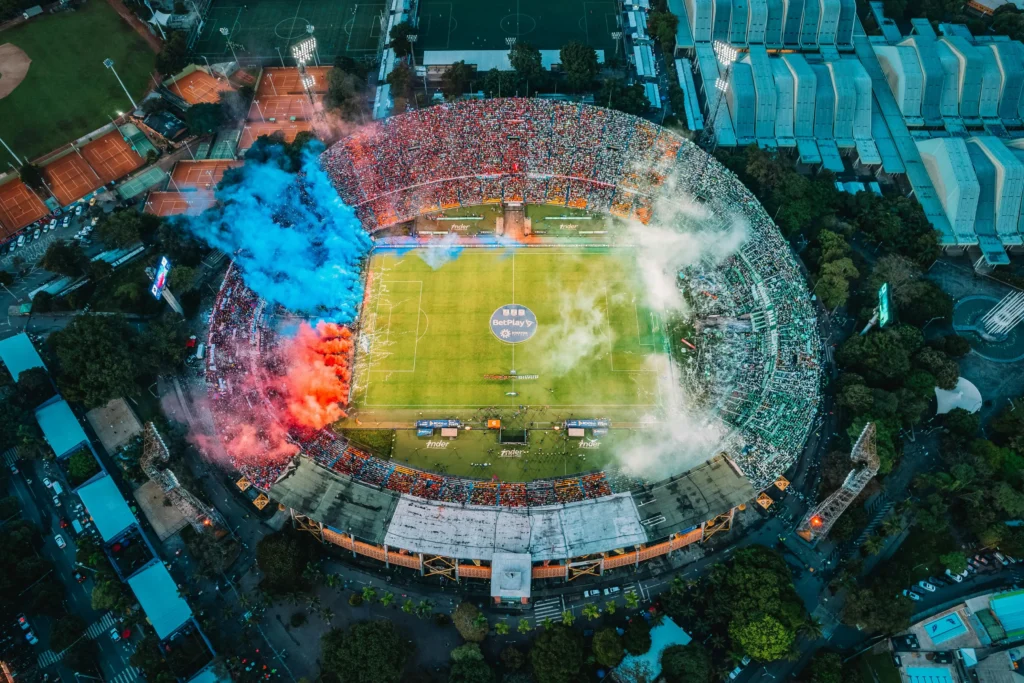
If you’re visiting Medellín and you want to understand this city at its rawest, most unfiltered, most alive, you need to experience a match between Independiente Medellín (DIM) and Atlético Nacional. Not on a screen. Not on highlights. In the stadium, elbow-to-elbow with forty-eight thousand people who feel this rivalry in their bones.
This guide covers everything: the history, the stakes, how to get a ticket, where to eat before kickoff, and where to raise a glass after — win or lose.
The Historic Rivalry: Independiente Medellín vs Atlético Nacional
Origins of El Clásico Paisa
The roots of this intense rivalry stretch back to the 1940s. Independiente Medellín (often called DIM or simply “El Poderoso”—The Powerful One) was founded in 1913, making it the city’s oldest club. Atlético Nacional (known as “Los Verdolagas”—The Green Ones) came into existence in 1947, creating an immediate crosstown rivalry that has defined Medellín’s sporting culture for generations.
What makes this rivalry unique is its class and neighbourhood dimension. DIM has traditionally been associated with the working-class barrios, the everyday parcero from Manrique or Aranjuez. Nacional, by contrast, developed a reputation tied to the city’s commercial and sporting ambitions — two Copa Libertadores titles (1989 and 2016) and 17 league championships will do that.
The first official match between these teams took place on August 12, 1948, ending in a 3-0 victory for Independiente Medellín. Since then, more than 300 official matches have been played, each adding new chapters to this storied rivalry.
On paper, Nacional holds the historical edge: more wins, more silverware, more continental glory. But in a Clásico, the form book means nothing. That’s not me being poetic — I’ve seen it with my own eyes. In December 2023, DIM beat Nacional 5–0 in what was supposed to be a routine derby. I still haven’t fully recovered.
This is why 48,000 people show up every single time.
Understanding the Stakes: What Makes Each Clásico Different
Not every Clásico is equal, and if you’re planning your visit around one, it helps to know what you’re walking into.
Regular-season derbies deliver an intense atmosphere but relatively controlled crowds. These are great entry points for first-time visitors — the energy is electric without being overwhelming.
Playoff-phase Clásicos (typically held in June and December, when the Apertura and Finalización tournaments reach their finals) are a category entirely. When both teams are in title contention and meet in the knockouts, Medellín essentially shuts down. It’s less a football match and more a collective religious experience.
Keep an eye on the Liga DIMAYOR calendar and plan your Medellín trip around a derby weekend whenever possible. The city is simply different that week.
Key Historical Moments in the Rivalry
Several matches stand out in the history of El Clásico Paisa:
- 1954 Championship Decider: Atlético Nacional secured their first Colombian championship by defeating Independiente Medellín in a dramatic final match.
- 1981 “La Final del Siglo” (The Final of the Century): A legendary championship final that required three matches to determine the winner, with Nacional ultimately prevailing.
- 1989 Copa Libertadores Victory: While not a direct clash between the teams, Atlético Nacional became the first Colombian team to win South America’s most prestigious club tournament, shifting the balance of power in the rivalry. ( We played Olimpia de Paraguay).
- 2002 “Miracle of the Atanasio”: Independiente Medellín’s dramatic comeback from a three-goal deficit to win the championship against Nacional, ending a 45-year title drought.
- 2004 Medellin won the tournament: A match remembered for an intense dispute between the two teams, Medellin won the final against Nacional, which is remembered for the reds as ” Aquel 27 de Junio“.
Famous Players Who Defined the Derby
Both teams have produced legendary players who elevated El Clásico Paisa to mythical status:
Independiente Medellín Icons:
- Javier ” Choronta” Restrepo
- Álvaro Escobar
- Germán Ezequiel Cano ( In my opinion, Medellín fans love this player)
- Jackson Martínez
Atlético Nacional Legends:
- René Higuita (the “Scorpion Kick” goalkeeper )
- Andrés Escobar (The saddest moment in Nacional history, Andrés was killed by gangs for having scored an own goal in the 94 USA World Cup).
- Francisco “Pacho” Maturana (player and later legendary coach)
- Edwin Cardona
- Víctor Aristizábal
- Faustino ” el tino” Asprilla ( Tino, played as forward or winger, most notably for Parma, Newcastle United, and the Colombian national team)
- Juan Pablo Angel
- Franco Armani
Recent Match History and Current Form
The rivalry continues to produce dramatic encounters, with the balance of power shifting periodically. Historically, Atlético Nacional holds an edge in official matches with more victories, more championships (17 compared to DIM’s 6), and more international trophies, including the prestigious Copa Libertadores (1989 and 2016).
However, Independiente Medellín has often played the spoiler role, delivering memorable victories that have thwarted Nacional’s championship runs. The unpredictable nature of these matches is part of what makes them so captivating—form charts and predictions are often meaningless when these teams meet.
Experiencing the Clásico Paisa: A Traveler’s Guide
Match Schedule and Season Information
The Colombian football calendar follows a unique format with two tournaments per year:
- Apertura: The opening tournament (February to June)
- Finalización: The closing tournament (July to December)
This means you’ll have multiple opportunities to experience El Clásico Paisa, as the teams typically face each other at least twice per season in league play, with potential additional matches in cup competitions or playoff rounds.
Atanasio Girardot Stadium: What Visitors Need to Know
Both teams share the Atanasio Girardot Stadium, a 48,826-seat venue located in the Laureles neighborhood. Part of a larger sports complex, this stadium has hosted some of the most significant sporting events in Colombian history.
Stadium Sections:
- North End (Norte): Traditional home of the most passionate Medellín supporters, ” La Rexistencia.“
- South End (Sur): Headquarters of Nacional’s most fervent fans. ” Los del Sur“
- East Stand (Oriental): More family-friendly section with better seating
- West Stand (Occidental): Premium section with the best views and amenities
The stadium is easily accessible by Metro (get off at Estadio station) and is surrounded by restaurants, bars, and parks that buzz with pre- and post-match activity.
How to Get Tickets: Insider Tips
Getting into a Clásico Paisa as a tourist is doable — but it requires preparation.
Official channels are always your first point of contact. Both clubs sell tickets through their official websites and at physical outlets around the Estadio Atanasio Girardot. Nacional tickets are available at the tribuna sur “tienda verde”; DIM sells through under the tribuna norte ” Tienda roja”.
Online Options:
- Nacional Official website: The official ticketing site of Nacional now
- Dim Official website: The official ticketing site for Medellín now.
- Buy a football tour:
Street Options: ” Vendo Boleta, vendo. Compro boleta que sobre”
- This is one of the options I’ve used since I was young, but be careful—when they hear your accent or notice you’re foreign, they’ll often try to charge two or three times the official ticket price. That’s why I recommend negotiating: when asked for the price, request at least a 50% discount on the ticket. Of course, this depends on the match you’re attending. Tickets for classicos (derbies) can be more expensive, so keep that in mind. Finally, make sure they are selling you real tickets, as fake tickets are common. To stay safe, tell them, ‘I’ll pay at the box office entrance unless you already know them.’ This ensures authenticity and helps you avoid scams.
- Independiente Medellín official website.
Pricing:
- Budget seating (North/South ends): 50,000-60,000 COP ($13-15 USD)
- Mid-range (Eastern stand): 70,000-120,000 COP ($18-32 USD)
- Premium (Western stand): 120,000-180,000 COP ($30-45 USD)
For high-profile matches, especially playoff games, prices may increase significantly, and tickets sell out quickly. I recommend purchasing at least a week in advance for regular matches and immediately upon release for playoff games.
Local Tip: When tickets are too expensive, I sometimes wait until about 10-15 minutes after the match starts and then approach resellers directly. Since they’re desperate to sell their remaining tickets, you can often negotiate a better deal. This has worked for me on various occasions.
For Tourists: The Oriental (East) stand offers the best balance of good views, reasonable security, and an authentic atmosphere without being in the most intense fan sections.
Safety Tips and Stadium Etiquette for Tourists
While attending matches is generally safe, El Clásico Paisa is an intense rivalry that requires some awareness:
Safety Considerations:
- Avoid wearing team colors in rival fan sections
- Consider neutral-colored clothing if you don’t have a strong team preference
- Keep valuables to a minimum and be aware of your surroundings
- Arrive early and leave with the crowd, not alone
- Police presence is heavy during these matches, so security is generally good
Etiquette Tips:
- Stand when everyone stands (especially during team anthems and goals)
- Learn a few basic chants to participate in the atmosphere
- Never mock passionate fans, even in jest
- Respect any moment of silence or special tributes
Matchday Experience: Immersing in Local Football Culture
Pre-Match Traditions and Gatherings
The matchday experience begins hours before kickoff. Here’s how to immerse yourself:
For Nacional Fans:
- Avenida Libertadores, just at the ” Estación Estadio del Metro” La 70, often hosts pre-game gatherings
- “EL Obelisco” mall, area near the stadium, features numerous green-themed bars
For Independiente Medellín Fans:
- “EL obelisco” mall fills with red-clad supporters
- “La 70” street has several DIM-friendly establishments
Both sets of supporters create “fan walks” to the stadium, with drumming, singing, and flag-waving that transform the approaches to Atanasio Girardot into rivers of either green or red.
Pre-Game Dining: Eat Well Before Kickoff
Matchday in Medellín has its own culinary rhythm, and the neighbourhoods around Estadio Atanasio Girardot — particularly Laureles and El Poblado — come alive hours before the first whistle.
Fine Dining & Sit-Down Restaurants
If you want a proper pre-game meal before the chaos, Medellín’s restaurant scene in Laureles and Provenza has you covered. A two-hour dinner before kickoff is the move — the stadium is only a short taxi or metro ride from both neighbourhoods.
👉 Browse medellinparce.com/restaurants/ for the best fine dining restaurants in Laureles and El Poblado.
Budget & Street Food Options
For the authentic experience, skip the sit-down restaurant and head to the street vendors outside the stadium on matchday. Chuzo de res o de cerdo, Chorizo con arepa, empanadas, and mazorca grilled on open coals — this is how real paisas fuel up for the game. Prices are low, the food is fast, and the pre-match banter with locals is worth the trip alone.
For budget-friendly restaurants nearby, check our curated list on medellinparce.com/restaurants/ filtered by price range.
Rooftop Bars & Pre-Game Drinks
Medellín’s rooftop bar scene is genuinely world-class, and several spots in El Poblado, Laureles, or outside the Obelisco have TVs broadcasting pre-match coverage. Arrive ninety minutes before kickoff, order a Club Colombia beer, Aguila Light, or a michelada, and watch the city start to hum.
These spots also serve as post-game gathering points — essential if you’re not heading directly to the stadium.
👉 Find the best rooftop bars and pre-game drinking spots at medellinparce.com/restaurants/.
Brunch the Morning After
Win or lose, Medellín has a weekend morning tradition that heals all wounds: a long, slow brunch. The morning after a Clásico is one of the best times to sit in a café in Provenza or Parque Lleras, sip a tinto, and listen to locals debate every single decision made in the previous day’s match.
👉 Explore top brunch spots near Parque Lleras and Provenza on medellinparce.com/restaurants/.
Fan Zones and Supporter Groups
Both clubs have organized supporter groups that drive the stadium atmosphere:
Nacional’s Major Groups:
- Los del Sur (The Southern Ones): The largest and most organized group
DIM’s Key Groups:
- Rexixtenxia Norte: The main ultra group
While the most hardcore sections require caution, observing these groups from a distance provides an unforgettable glimpse into Colombian fan culture.
The Atmosphere Inside Estadio Atanasio Girardot
I want to prepare you for something: the moment both teams walk out onto the pitch, the noise hits you physically. It’s not just loud — it’s a wall of sound that you feel in your chest.
The barra of Atlético Nacional, Los del Sur, occupies the south stand and performs elaborate choreographies with flags, flares, and coordinated chants for ninety minutes without interruption. DIM’s Rexixtenxia Norte answers from the north. Between them, forty-eight thousand voices create something that no highlight reel can capture.
Wear comfortable shoes. Dress in layers — Medellín’s evenings can be cooler than you expect, especially at altitude. And if you’re wearing the wrong jersey in the wrong section, I say this with love: don’t.
What to Wear (and What Not to Wear)
If Supporting a Team:
- For Nacional: Green and white are the primary colors
- For DIM: Red and blue are the traditional colors
If Neutral:
- Avoid red, blue, green, or white clothing combinations that might be misinterpreted
- Consider wearing the Colombia national team gear as a neutral alternative
- A camera around your neck clearly identifies you as a tourist and is generally respected
Most importantly, once you’ve chosen your section, dress accordingly. Wearing Nacional colors in DIM sections (or vice versa) is strongly discouraged.
Local Foods and Drinks to Try at the Stadium
The stadium food experience is part of the cultural immersion:
- Empanadas: Fried pastries filled with meat and potatoes
- Chuzos: Grilled beef skewers served on a wooden board, garnished with fresh herbs and accompanied by cherry tomatoes and red onion slices.
- Chorizo con Arepa: Grilled sausage with corn cakes
- Mango Biche: Green mango with salt and lime
- Club Colombia Beer: The traditional matchday beverage
- Aguardiente: The local spirit, often smuggled in despite prohibitions
Food vendors line the stadium approaches, creating a festive atmosphere hours before kickoff.
Where to Watch Independiente Medellín vs Atlético Nacional Matches
Can’t make it into the stadium? You’re not out of luck. Medellín’s sports bar culture is strong, and watching a Clásico with a bar full of passionate locals is its own experience.
Look for spots in Parque de El Poblado, Parque Laureles, Obelisco, and along Avenida El Poblado that broadcast Colombian league football. Arrive early — these places fill up fast on derby day, and the best seats are gone 45 minutes before kickoff.
Best Sports Bars in El Poblado (Tourist-Friendly Area)
If you can’t attend in person, these venues offer great viewing experiences:
- The Pit Stop: Popular with expats and shows all major matches
- Hooters Medellín: Large screens and bilingual staff
- La Cervecería: Craft beer bar with multiple viewing areas
- Patrick’s Irish Pub: European-style sports bar with reliable match coverage
These establishments typically fill up quickly for El Clásico Paisa, so arrive at least an hour before kickoff to secure a good spot.
Local Viewing Spots for an Authentic Experience
For a more authentic local experience, try these neighborhood spots:
- Bar La Tienda: Traditional Colombian bar with passionate football fans
- Estadio La 70: Located near the stadium, filled with supporters before and after matches
- Parque Lleras Outdoor Screens: During big matches, some restaurants set up outdoor viewing areas
- El Templo del Fútbol: As mentioned earlier, this Nacional-themed bar offers an intense viewing experience
These venues provide less tourist-oriented experiences but deliver authentic passion.
Streaming Options for Travelers
If you prefer to watch from your accommodation:
- Win Sports+: The official broadcaster of Colombian football (subscription required)
- RCN and Caracol: Sometimes broadcast high-profile matches on free-to-air TV
- Many hotels and hostels: Organize viewing parties for important games
Some online streaming services may be accessible with a VPN, though availability varies by country and provider.
Beyond the Match: Football Tourism in Medellín
Guided Stadium Tours
The Atanasio Girardot Stadium offers tours on non-match days:
- Visit team locker rooms
- Walk through the players’ tunnel
- Step onto the pitch
- Learn about the stadium’s history
Tours can be arranged through the stadium administration office or through specialized city tour companies.
Team Museums and Fan Shops
Atlético Nacional:
- Official store at Centro Comercial El Tesoro
- Club headquarters with historical displays
Independiente Medellín:
- Official store at Centro Comercial El Obelisco
- Team offices with trophy displays ( at the stadium, North Side)
- Several fan shops around the Estadio neighborhood
Both team stores offer authentic jerseys, scarves, and other memorabilia as perfect souvenirs of your Medellín football experience.
Football-Themed Experiences in Medellín
Beyond the stadium, you can experience football culture through:
- Comuna 13 Graffiti Tours: See football-themed street art that tells the story of how the sport has transformed communities
- Cancha La Maracaná: Visit famous street football courts where many professionals began their careers ( René Higuita)
- Football-themed restaurants: Several establishments are decorated with memorabilia and owned by former players
Meeting Local Fans: Cultural Exchange Opportunities
Connecting with local supporters offers the deepest understanding of the rivalry:
- Organized supporter meetups: Some fan groups welcome foreign visitors
- Football-themed city tours: Several companies offer specialized tours led by knowledgeable football fans
- Social media groups: Facebook and WhatsApp groups for English-speaking football fans in Medellín can help you connect
Most Paisas are extremely proud of their football heritage and eager to share their passion with visitors.
Understanding the Teams: Club Profiles
Independiente Medellín (DIM): History, Achievements, and Culture
Founded: 1913 Nicknames: El Poderoso (The Powerful One), El DIM, El Equipo del Pueblo (The People’s Team) Colors: Red and Blue Championships: 6 (1955, 1957, 2002-II, 2004-I, 2009-II, 2016-I) International Achievements: Copa Libertadores semifinalists (2003, 2017)
DIM is often characterized as the working-class team of Medellín, with a reputation for passionate supporters and underdog status. Despite fewer titles than their city rivals, their fans are known for unwavering loyalty through decades of challenges.
Atlético Nacional: Colombia’s Most Successful Club
Founded: 1947 Nicknames: Los Verdolagas (The Green Ones), El Verde (The Green), Rey de Copas (King of Cups) Colors: Green and White Championships: 17 (more than any other Colombian club) International Achievements: Copa Libertadores champions (1989, 2016), Copa Interamericana champions (1990, 1997)
Nacional has established itself as Colombia’s most internationally successful club. Known for developing exceptional players and playing an attractive style of football, the team has a reputation for excellence and setting high standards for Colombian football.
Team Colors, Emblems, and Anthems Explained
DIM Symbolism:
- Red represents passion and strength
- Blue symbolizes loyalty and determination
- The emblem features an intertwined “D” and “M” with stars representing championships
- Their anthem “Soy del Rojo de Medallo” (I’m from the Red of Medellín) emphasizes local identity
Nacional Symbolism:
- Green represents hope and vitality
- White symbolizes purity and integrity
- The club crest features a shield with the letters “A” and “N” and stars for championships
- Their anthem emphasizes nacional (national) identity with lyrics about representing all of Colombia
Current Squad Stars to Watch
Both teams consistently feature talented players worth watching:
Notable Nacional Players:
- Experienced international players recruited from across Latin America
- Rising Colombian talents developed through their youth academy
- Style characterized by technical skill and tactical organization
DIM Standouts:
- Combination of veteran leadership and young talents
- Often features players with deep connections to Medellín
- Known for fighting spirit and resilience
The specific squad members change frequently due to transfers, but both teams maintain quality rosters that showcase some of Colombia’s best football talent.
Q&A: Everything Travelers Ask About Medellín Football
Where can I watch Independiente Medellín vs Atlético Nacional matches?
The best option is attending in person at the Atanasio Girardot Stadium. If tickets aren’t available, head to sports bars along La 70 near the stadium, El Obelisco, or in El Poblado’s Parque Lleras area. Popular spots include The Pit Stop, Patrick’s Irish Pub, and La Cervecería, though for the most authentic experience, try local establishments like Bar La Tienda or El Templo del Fútbol.
Is it safe for tourists to attend football matches in Medellín?
Yes, with proper precautions. The stadium has a significant security presence during matches, especially for El Clásico Paisa. Stay in the Oriental (East) or Occidental (West) stands rather than the more intense Norte or Sur sections. Avoid wearing team colors in the wrong areas, don’t display valuable items, and consider attending with a local or organized tour for added security and cultural context.
How much do tickets cost for the Clásico Paisa?
Ticket prices range from approximately 50,000 COP ($12 USD) for basic seats to 250,000 COP ($65 USD) for premium locations. Playoff or championship matches can command higher prices. For the best experience as a visitor, mid-range tickets in the Oriental section (70,000-120,000 COP) offer good value with decent amenities and views.
What’s the best time of year to see a match in Medellín?
The Colombian league runs year-round with two tournaments: February-June (Apertura) and July-December (Finalización). The most exciting matches typically occur during playoff phases in December and June. However, any regular-season Clásico Paisa delivers an exceptional atmosphere. An additional benefit: Medellín’s “city of eternal spring” climate means comfortable weather for matches throughout the year.
Can I buy team merchandise as a souvenir?
Absolutely! Both teams maintain official stores at local shopping malls and near the stadium. For Atlético Nacional, visit their store at Centro Comercial Oviedo or their headquarters. Independiente Medellín merchandise is available at their shop in Centro Comercial El Hueco and various locations around the stadium. Be cautious about street vendors selling counterfeit items—official stores guarantee authentic products.
Do I need to speak Spanish to enjoy the match experience?
While Spanish enhances the experience by allowing you to understand chants and conversations with locals, it’s not essential. The universal language of football transcends verbal communication. Many younger fans speak some English, especially in tourist areas, and the atmosphere itself—the drums, singing, and collective emotions—requires no translation. Learning a few basic Spanish football terms can enrich your experience.
How early should I arrive at the stadium?
For regular matches, arriving 60-90 minutes before kickoff is sufficient. However, for El Clásico Paisa, I recommend arriving at least two hours early. This allows time for security checks (which can be lengthy), finding your seat, and experiencing the pre-game atmosphere as supporters’ groups set up their displays and practice chants. The build-up to kickoff is an essential part of the cultural experience.
Are there any special football tours in Medellín?
Several companies offer football-themed tours of Medellín, including stadium visits, neighborhood pitches where stars began their careers, and football-related community projects. Companies like Real City Tours and Paisa Road occasionally offer specialized football culture tours. Additionally, independent guides advertise football experiences on platforms like Airbnb Experiences and GetYourGuide.
Final Word: Come for the Football, Stay for the City
The rivalry between Independiente Medellín and Atlético Nacional represents far more than sport—it’s a window into the soul of Medellín. By experiencing this passionate football culture firsthand, you’ll connect with the city on a deeper level than most visitors ever achieve.
Whether you’re drawn to the underdog spirit and working-class roots of Independiente Medellín or the successful tradition and excellence of Atlético Nacional (my personal favorite), embracing this rivalry will enrich your understanding of a city that has transformed itself through resilience, passion, and community—values embodied in its football teams.
As we say in Medellín: “El fútbol no es cuestión de vida o muerte. Es mucho más importante que eso.” (Football is not a matter of life and death. It’s much more important than that.)
If you come to Medellín, go to a Clásico. And when you’re planning what to eat, where to drink, and where to stay around it —
👉 Explore the full Medellín directory at medellinparce.com — restaurants, bars, hotels, and neighbourhoods, curated for tourists and expats who want to experience the real Medellín.
Hasta la próxima, parce. 🟢❤️
— Rolando, Medellín local & your guide to the city
¡Bienvenidos al fútbol paisa!

Leave a Reply